


"The Precision Tailor" in Photovoltaic Module Manufacturing: The Busbar Welding Machine
Release time:2025-05-06
Release time:2021-09-15
Author:
Author:
In the manufacturing process of photovoltaic modules, there is a critical step that determines the current collection efficiency and long-term reliability of the modules: busbar welding. As the core equipment in this process, the busbar welding machine can be called the "precision tailor" in photovoltaic module manufacturing. It employs precise welding techniques to securely connect the solar cells with the busbars, ensuring efficient current transmission. Today, let’s take an in-depth look at how this equipment works and its significance in photovoltaic manufacturing.

What is a Busbar Welding Machine?
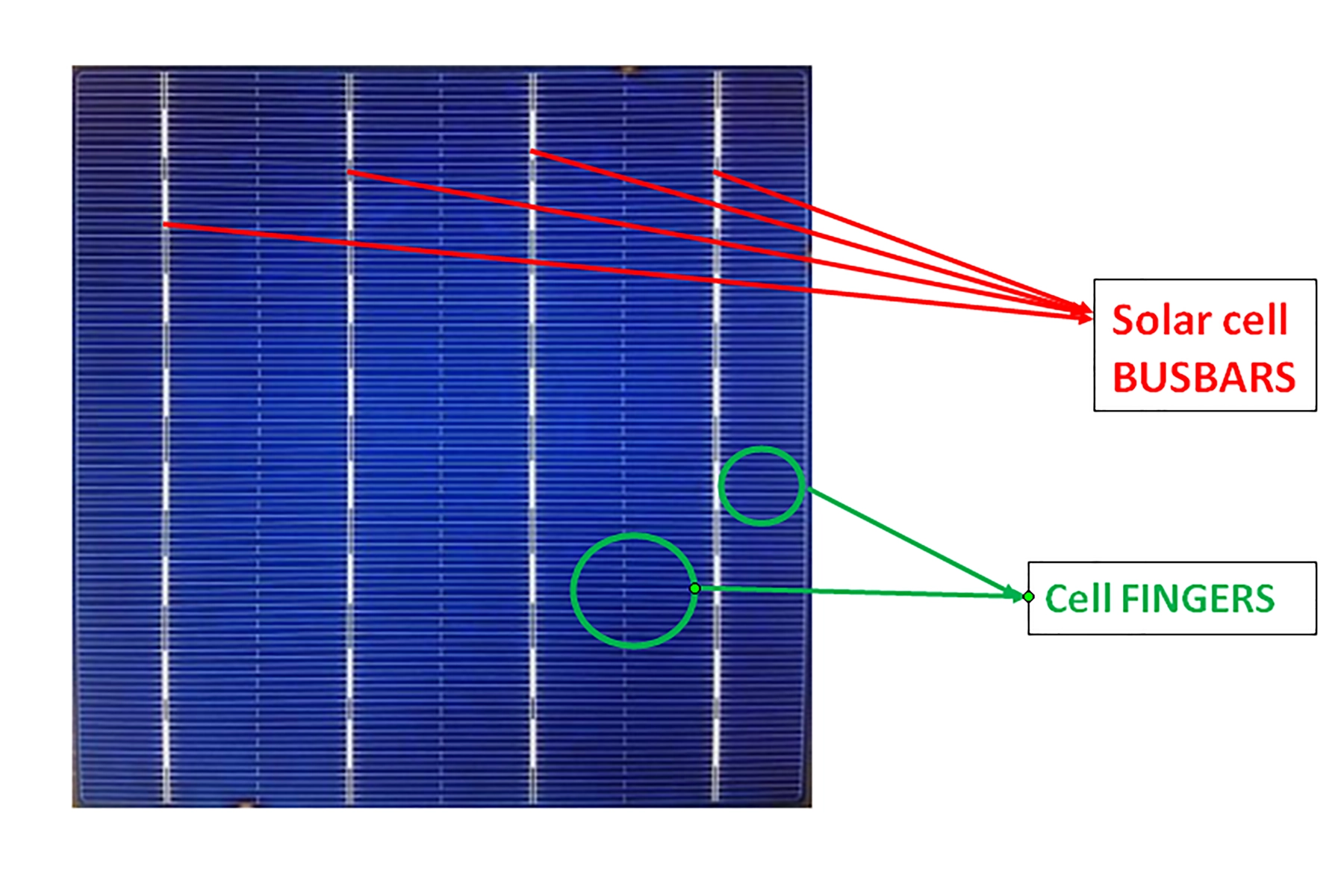
In photovoltaic modules, multiple tabbing wires are laid parallel on the surface of solar cells, with their ends extending to both sides of the cells and welded to the busbars. The function of the busbar is to collect and transmit the current generated by the solar cells to the junction box. The primary task of the busbar welding machine is to complete this welding process, which includes busbar placement, cutting, bending, and welding with the tabbing wires.
A busbar welding machine typically consists of an automatic feeding module, a busbar cutting unit, a welding unit, a transfer welding table, and a frame module, enabling fully automated operation from material preparation to welding completion.
Working Principle of a Busbar Welding Machine
The core technology of a busbar welding machine is primarily based on "electromagnetic induction heating" or "thermal compression welding." Both methods efficiently and precisely complete the welding process:
1. Electromagnetic Induction Heating: A high-frequency electromagnetic field causes rapid molecular friction in the tabbing wire, generating heat to fuse the wire with the busbar.
2. Thermal Compression Welding: A heated welding head applies pressure, bonding the tabbing wire and busbar under high temperature and pressure.
Regardless of the method, the welding machine ensures strong, conductive joints, guaranteeing the long-term stable performance of photovoltaic modules.
Four Key Features of Busbar Welding Machines
1.High Efficiency→fully automated production, reducing manual intervention and further shortening production cycles.
2. Stability→precise control systems &ensure consistent and stable welding parameters, guaranteeing that the welding quality of every photovoltaic module meets industry standards.
3. Adaptability→meeting diverse production needs. Additionally, adjustable parameters allow flexible adaptation to various process requirements.
4. Energy Efficiency→By optimizing heating methods and control systems, they maintain high welding quality while effectively reducing energy consumption.
Chintiyan New Energy: Delivering Efficient Solutions for PV Manufacturing
As a professional R&D and smart manufacturing enterprise specializing in photovoltaic module equipment, Chintiyan New Energy is committed to providing customers with efficient, stable, and intelligent busbar welding solutions. Our equipment not only delivers high-precision welding capabilities and fully automated production processes, but also supports customized non-standard services, helping clients significantly enhance production efficiency and reduce operational costs.
With the rapid development of the photovoltaic industry, Chintiyan New Energy will continue to drive technological innovation, offering superior products and services to global PV manufacturers, and contributing to the widespread adoption and application of green energy.


Scan QR Code by WhatsApp